
Can Point Breeze find common ground as zoning power shifts and open dialogue begins?
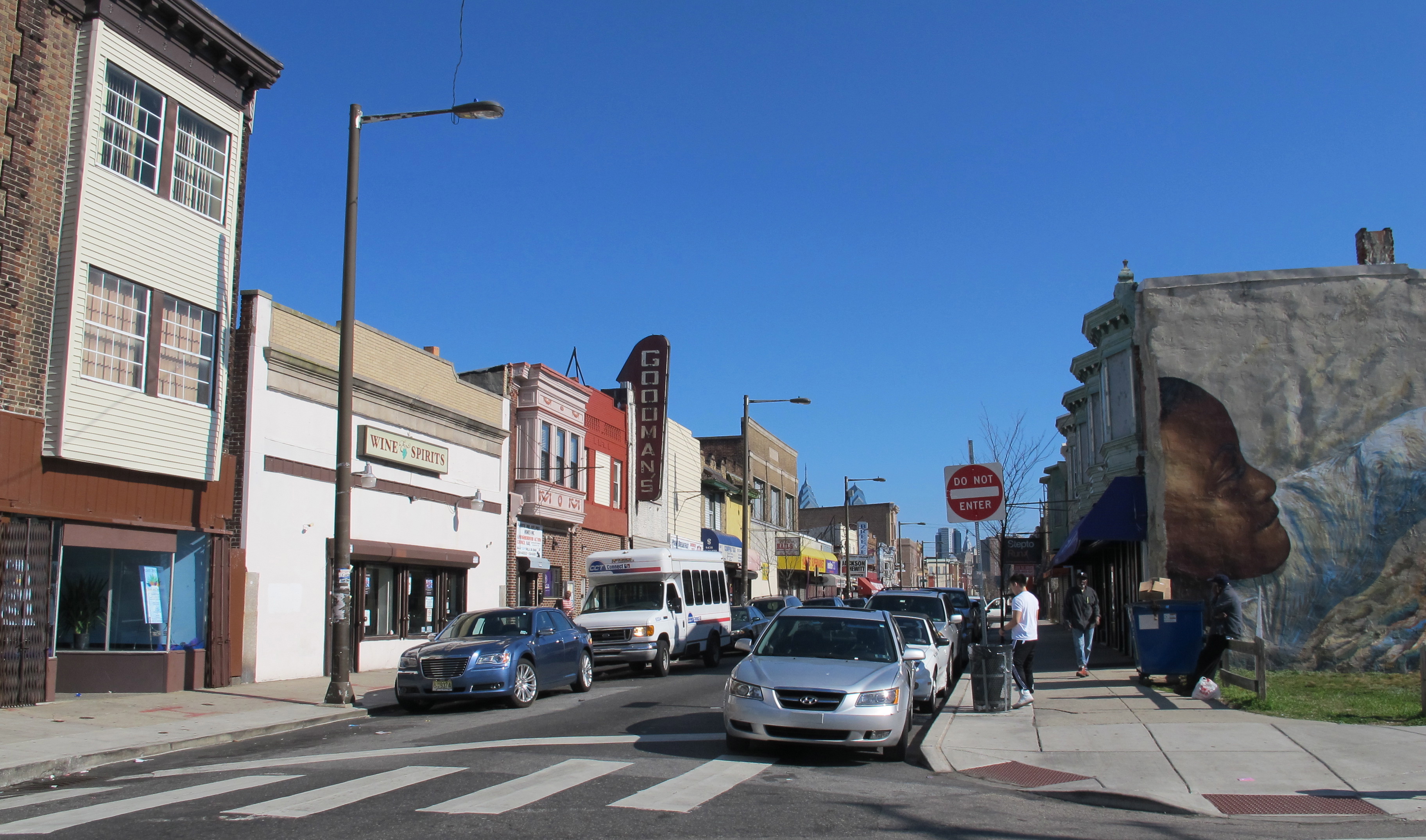
As I’ve previously written, Point Breeze’s community zoning meetings have become wholly dysfunctional and no one is well served by the distorted process. But lately the ground is shifting.
Long-time zoning powerbroker/nonprofit housing developer South Philadelphia H.O.M.E.S. (SPHINC) has assembled a new committee to help run a more smooth and transparent zoning process, as I mentioned in February. Earlier this month a City Paper article explained the changing landscape created as other groups step forward to take over the neighborhood’s zoning meetings as SPHINC’s role dwindles. Meanwhile the new zoning code’s rules for Registered Community Organizations (RCOs) [pdf] will alter the community’s role in the city’s zoning process. The result is a disorienting reflection of a neighborhood in transition, but also a bit of hope for a more functional community process for Point Breeze.
Among the players making a new move for Point Breeze’s zoning committee is an old group: Diversified Community Services (DCS), which has operated in the neighborhood, in one form or another, for about 100 years. DCS will apply to become an RCO this year, volunteering to take on Point Breeze’s zoning meetings. DCS has also initiated a community visioning process geared at creating real dialogue among community members about what a positive future Point Breeze might look like.
A couple of months ago, DCS was selected as the area’s new Neighborhood Advisory Council (NAC), which provides federal funding through the Office of Housing and Community Development to offer housing counseling and to connect residents with programs and services. DCS’s Executive Director Cheryl Weiss sees zoning issues – and all of the complex tensions that accompany neighborhood development – as a natural extension of the organization’s outreach work.
Weiss says DCS wants to help Point Breeze make sense of the development pressures at play in the community, address issues of gentrification head-on, and help channel the neighborhood’s tension into productive energy.
“At the end of the day, change is going to happen,” Weiss said when we spoke a few weeks back. So the question becomes, how will Point Breeze residents choose to engage with and shape that change? DCS hopes that a new community visioning process they’ve just started will be a platform for residents to talk about the neighborhood’s pressing issues.
Diversified Community Services held a community meeting at Dixon House last week to introduce their recent initiatives to neighbors. The meeting was also an effort to provide residents with reliable information about programs and planning in Point Breeze: Richard Redding from the City Planning Commission spoke about district planning and zoning reform, Ade Fequa from the Managing Director’s Office talked about Philly Rising, and Cheryl Weiss and DCS’s NAC coordinator Jennifer Swain presented their work.
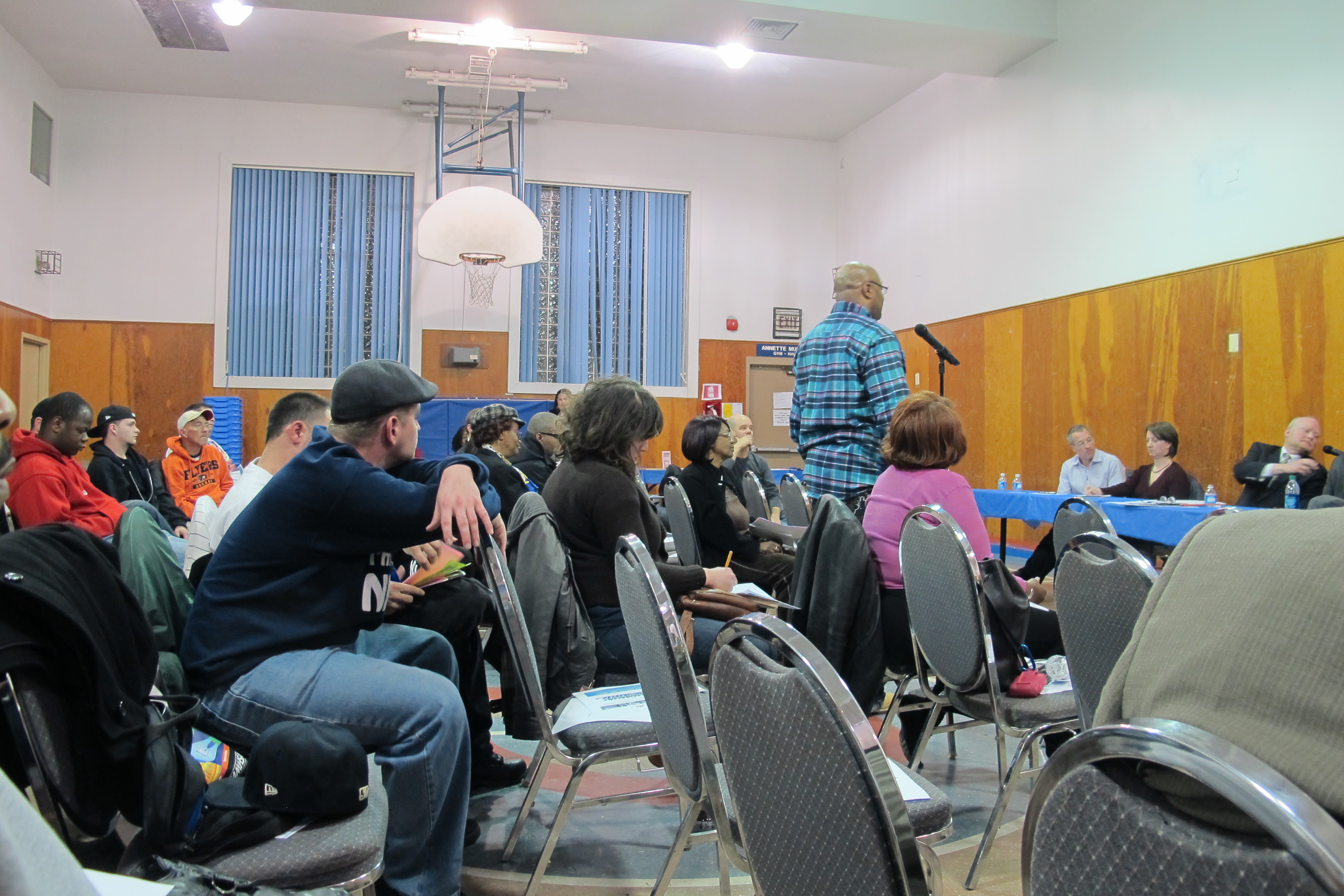
Audience questions went right for zoning and development issues, and folks were curious about why DCS wants to become an RCO, and what that really means anyway.
Weiss told the audience she thinks becoming an RCO is important because “zoning is about social issues… social life, and connectivity among people.” Plus, she said, DCS wants to “facilitate a process that brings people together.”
DCS succeeded in hosting a very civil meeting with a crowd of about 40-50 people – a small audience compared to recent neighborhood zoning meetings, which easily drew three or four times that number.
Tiffany Green of Concerned Citizens of Point Breeze, a familiar name to anyone following Point Breeze zoning, suggested that DCS might be too biased for the role because of the organization’s connection with the city (via OCHD’s distribution of federal funding for the NAC). Plus, DCS also develops and manages property in the neighborhood.
But Weiss doesn’t think that connection negates her organization’s ability to be fair. Weiss told me that DCS is only interested in convening zoning meetings not controlling them, and should there be a conflict of interest, she would recuse herself. She agrees that for any zoning committee, openness, transparency, and inclusiveness are key.
To that end, DCS has two important opportunities for positive community participation in Point Breeze that Weiss hopes will foster “a very frank, candid conversation” about neighborhood change.
Firstly, community members can apply to serve on the NAC board to help guide its work.*
And perhaps more importantly, DCS has started a community visioning process that will be facilitated by KSK Architects Planners Historians, Inc.
KSK’s Paul Vernon spoke at last week’s community meeting to introduce the visioning project to the public. When I caught up with Vernon this week he told me that the overarching goal for the visioning process was to find out what Point Breeze community members want to see for the neighborhood over the next 5, 10, or 15 years.
Instead of arguing over every development at every meeting, why not start to address the issues really at play? And once those are out on the table, what are the hopes and aspirations that a broad spectrum of Point Breeze residents, new and old, can get behind?
Vernon describes it as a “big-tent approach” that values the diverse experience and background of neighborhood residents. The visioning process is open to anyone willing to engage in real dialogue about the future of Point Breeze.
There are probably as many opinions about what is or is not good for Point Breeze as there are residents. But surely there are bits of common ground that can lead to a few community-driven planning principles.
“I want a little tension,” Vernon said, “Nobody’s going to learn anything from their neighbor if they think exactly the same way that they do.”
To inform the process, KSK and DCS have developed an online survey**, and will be meeting with small groups of stakeholders, 10 at a time, to help identify what Vernon describes as “hot conflict points” as well as the positive attributes of life in Point Breeze.
Vernon told me they’ve already been hearing about predictable issues of gentrification and respect among neighbors, as well as questions about equitable development. On the positive end, he added, there are a lot of stories about people in Point Breeze who take it upon themselves to take care of their block.
After KSK gathers more information through the survey and stakeholder meetings, they will work with DCS to host public visioning sessions for the neighborhood later this spring.
Vernon says the public visioning meetings will emphasize the strengths, opportunities, and aspirations Point Breeze residents can agree on, as well as what results they’d like to see achieved over the next 5-10 years.
Ultimately the outcomes of the visioning project will be useful for DCS as it weighs the effectiveness of its programs in the community. But it could also help more Point Breeze residents recognize what they have in common and how to communicate better about their differences.
———
* For more information about the NAC you can contact Jennifer Swain, NAC Coordinator at jswain@dcsphila.org.
** People who live, work, and worship in Point Breeze are invited to take the community survey. Head over to http://www.surveybuilder.com/s/KSaw4GNaYAA
WHYY is your source for fact-based, in-depth journalism and information. As a nonprofit organization, we rely on financial support from readers like you. Please give today.
Brought to you by PlanPhilly

PlanPhilly
In-depth, original reporting on housing, transportation, and development.
Part of the series

Eyes on the Street
Eyes on the Street brings new ideas and fresh voices into the conversation about Philadelphia’s changing cityscape.
Philly Council changes mixed-income housing bonus rules for Southwest Center City
The amendment to the zoning code would change the math on residential development in the booming rowhouse neighborhoods southwest of City Hall.
3 years ago

33 affordable rental homes named for Point Breeze hero Mamie Nichols break ground
Built on formerly vacant city lots, the housing will be earmarked for families earning less than $50,000 and veterans.
3 years ago
Feibush to build apartments on Point Breeze Ave. lot where ill-fated beer garden once stood
John Longacre’s ill-fated 2015 beer garden attracted anti-gentrification protesters to the lot. Now Ori Feibush plans to build an apartment complex.
4 years ago
